
Ingredients Matter, Skin Care Health
Your Guide to the “Dirty Seven”: Ingredients to Avoid
Aug
When you purchase skincare, you’re not just buying a product; you’re investing in your skin’s health. But what if some of the ingredients in your favorite lotions and cleansers were working against you? Many mainstream brands, including high-end ones, use a handful of common, low-cost ingredients that can be detrimental to your skin and overall well-being.
At Luxe Body Worx, we believe in radical transparency. We want to empower you to read labels and make informed choices. Here’s a look at seven common toxic ingredients and why they should be avoided.
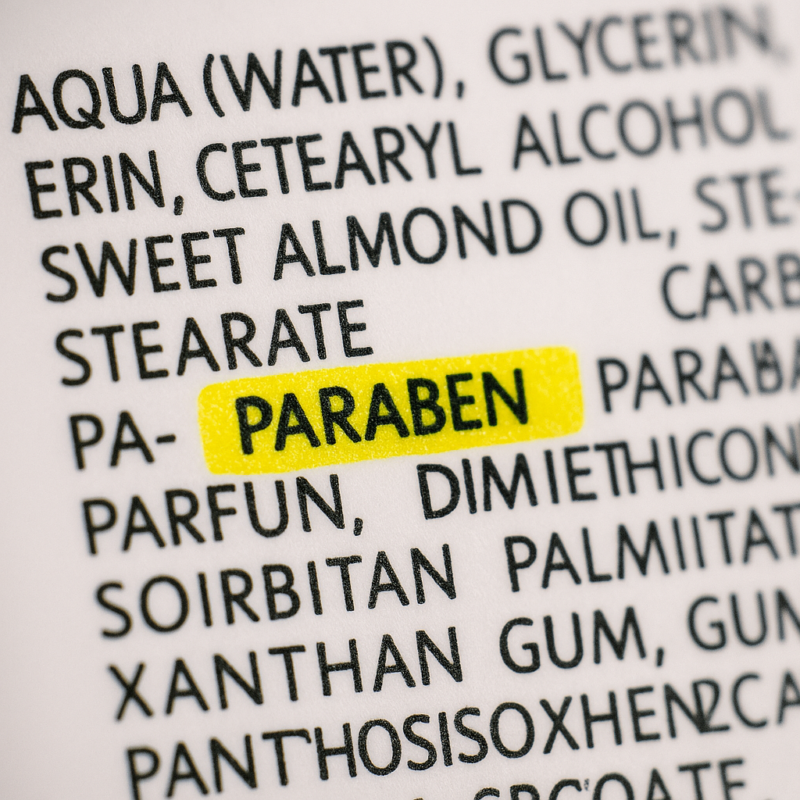
- Parabens
Why They’re Used: Parabens (look for ingredients ending in -paraben, like methylparaben or propylparaben) are a class of synthetic preservatives. They are added to skincare products to prevent the growth of bacteria, mold, and yeast, which extends a product’s shelf life and keeps it from spoiling. It’s an easy and inexpensive way to mass-produce products that can sit on a shelf for years.
Why They’re Toxic: Parabens are known endocrine disruptors. They can mimic the hormone estrogen in the body, which can interfere with the normal function of hormone systems. This is linked to reproductive and developmental issues and has even been found in breast cancer tumors, though the direct link is still under investigation.
- Phthalates
Why They’re Used: Phthalates (pronounced THAL-ates) are a group of chemicals used to make plastics more flexible and durable. In skincare, they are often added as a solvent and to help “fix” or carry a fragrance, making it last longer. They are typically not listed on the label and are hidden under the broad term “fragrance” or “parfum.”
Why They’re Toxic: Like parabens, phthalates are powerful endocrine disruptors. They have been linked to reproductive issues, reduced sperm quality, and other hormonal imbalances. Since they can be absorbed through the skin, consistent exposure is a significant concern.
- Sodium Lauryl Sulfate (SLS)
Why It’s Used: SLS is a very common surfactant and foaming agent. It’s added to cleansers, shampoos, and body washes because it’s highly effective at creating a rich lather and stripping away oil and dirt. It’s an easy, low-cost way to give consumers that “squeaky clean” feel.
Why It’s Toxic: SLS is a known skin irritant. It can harshly strip the skin’s natural oils and protective acid mantle, leading to dryness, redness, and irritation. For those with sensitive skin, it can even cause dermatitis and eczema flare-ups. This ingredient works against your skin’s natural balance.
- Formaldehyde-Releasing Preservatives
Why They’re Used: Formaldehyde is a known carcinogen, so companies don’t use it directly. Instead, they use “releasers” like DMDM hydantoin and quaternium-15. These chemicals slowly release small amounts of formaldehyde over time to prevent the growth of bacteria, giving products an extended shelf life.
Why They’re Toxic: Long-term, low-level exposure to formaldehyde is linked to skin irritation, allergic reactions, and is classified as a known human carcinogen by many expert and government bodies. The continuous use of products with these ingredients can lead to cumulative exposure and is a major source of concern.
- Synthetic Fragrance (Parfum)
Why It’s Used: This is perhaps one of the most widespread offenders. The single word “Fragrance” or “Parfum” on a label can represent a proprietary blend of dozens to hundreds of undisclosed chemicals. These are added to make products smell pleasant and appeal to consumers, overriding the natural scent of the ingredients.
Why It’s Toxic: The lack of ingredient disclosure makes this cocktail of chemicals a major health risk. Many of these compounds are linked to allergic reactions, skin rashes, and headaches. As mentioned above, they are also a common place to hide endocrine-disrupting phthalates.
- Mineral Oil & Petrolatum
Why They’re Used: Mineral oil and petrolatum are byproducts of petroleum distillation. They are used as cheap, occlusive agents in moisturizers and balms to create a barrier on the skin and prevent moisture loss. They’re inexpensive to produce on a massive scale.
Why They’re Toxic: While they are effective at trapping moisture, they offer no real nutritional benefits to the skin. Instead, they act like a “plastic wrap” that can trap dirt, bacteria, and dead skin cells, leading to clogged pores and breakouts. They also lack the vitamins, antioxidants, and fatty acids that truly nourish and improve skin health.
- Triclosan
Why It’s Used: Triclosan is an antibacterial and antifungal agent added to products to kill germs and prevent product contamination. While the FDA banned it from over-the-counter antibacterial soaps in 2016, it can still be found in other products such as certain toothpastes, deodorants, and cosmetics.
Why It’s Toxic: Triclosan is an endocrine disruptor, meaning it can interfere with hormonal functions. Studies have also linked it to contributing to antibiotic resistance, as its widespread use in consumer products may reduce the effectiveness of antibiotics over time. Its environmental impact is also a major concern, as it can accumulate in aquatic ecosystems.
The Luxe Body Worx Difference
Now, you may be wondering: if these ingredients are so common, how can you find products that are truly safe and effective? The answer lies in seeking out smaller, plant-based formulators and manufacturers. Brands like Luxe Body Worx operate on a completely different philosophy.
We embrace small-batch manufacturing, which means our products are made more frequently in smaller quantities. This allows us to use fresh, potent ingredients and avoids the need for heavy, synthetic preservatives and fillers. We focus on natural botanicals, pure essential oils, and thoughtfully sourced ingredients that nourish and heal your skin from the outside in. By choosing products from a small, mission-driven brand, you’re not only avoiding harmful chemicals but also supporting a company that prioritizes your skin’s health and overall well-being.
I strongly encourage you to read labels—on cleaning products, on your skin products, and on food labels. At what cost to our health? Unfortunately, exposing ourselves to harmful chemicals is nearly a daily episode. Do better for yourself, for your health, for your well-being.
